Getting Started with Peptides: The Complete Beginner's Guide
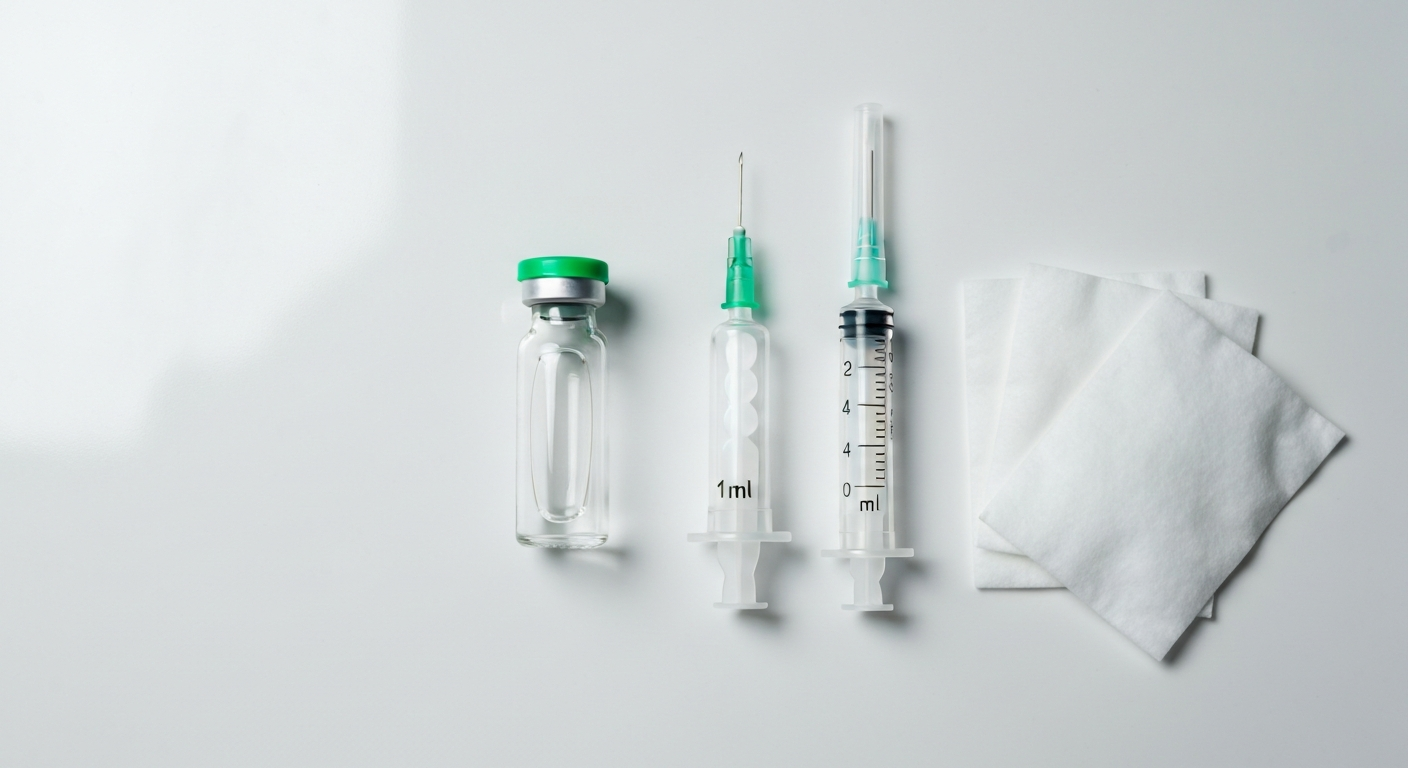
Learn what peptides are, why people use them, the non-negotiables before starting, and exactly what supplies you need.
If you've spent any time in the recovery, longevity, or weight-loss corners of the internet lately, you've seen the word everywhere: peptides. They show up in podcasts, in clinic ads, in your group chat with the friend who's "feeling incredible since starting BPC." And depending on who's talking, peptides are either the most exciting frontier in health optimization or a regulatory minefield you should run from.
The truth is calmer than either pitch. Peptides are a real, well-studied class of molecules — some of them are FDA-approved drugs you already know by their brand names, others are early-stage research compounds, and most of the confusion comes from people lumping all of them together. This guide is the map. By the end you'll know what a peptide actually is, the main categories people explore, how they're typically used, and — most importantly — how to think clearly about safety, sourcing, and what the evidence does and doesn't say.
What Are Peptides?
At their core, peptides are short chains of amino acids—typically between 2 and 50 amino acids long. You can think of them as the building blocks of proteins, but because they are shorter, they serve a very different function in the body.
Instead of building structural tissue like muscle, peptides act as signaling molecules. They bind to specific receptors on the surface of your cells and trigger highly targeted biological responses—everything from tissue repair and hormone release to fat metabolism and immune modulation.
Unlike full proteins (which are 50+ amino acids long and must be broken down by the digestive system), peptides are small enough to be absorbed and utilized quickly by the body. This targeted, efficient signaling is what makes them such powerful tools for health optimization.
Why People Use Peptides
Peptides are generally categorized by the specific outcomes they trigger. Depending on your goals, you will likely be looking at one of these primary categories:
Healing & Recovery: Compounds like BPC-157, TB-500, and GHK-Cu. These are widely used to accelerate tissue repair, heal tendons and ligaments, and reduce systemic inflammation.
Growth Hormone Optimization: Compounds like CJC-1295, Ipamorelin, and Sermorelin. Instead of replacing growth hormone directly, these secretagogues stimulate your pituitary gland to release your body's own natural GH in healthy, pulsatile waves.
Fat Loss & Metabolic Health: This is the category currently dominating the medical landscape. GLP-1 receptor agonists like Semaglutide, Tirzepatide, and Retatrutide fall into this group, driving significant improvements in metabolic function and body composition.
Cognitive Enhancement: Neuroprotective compounds like Selank, Semax, and Dihexa are explored for their ability to improve focus, mood, and cognitive longevity.
Longevity & Anti-Aging: Peptides like Epithalon, MOTS-c, and SS-31 target cellular aging pathways, mitochondrial function, and telomere health.
Before You Start: The Non-Negotiables
The biggest mistake beginners make is rushing into a protocol without a baseline or a plan. Before you begin, these five rules are non-negotiable:
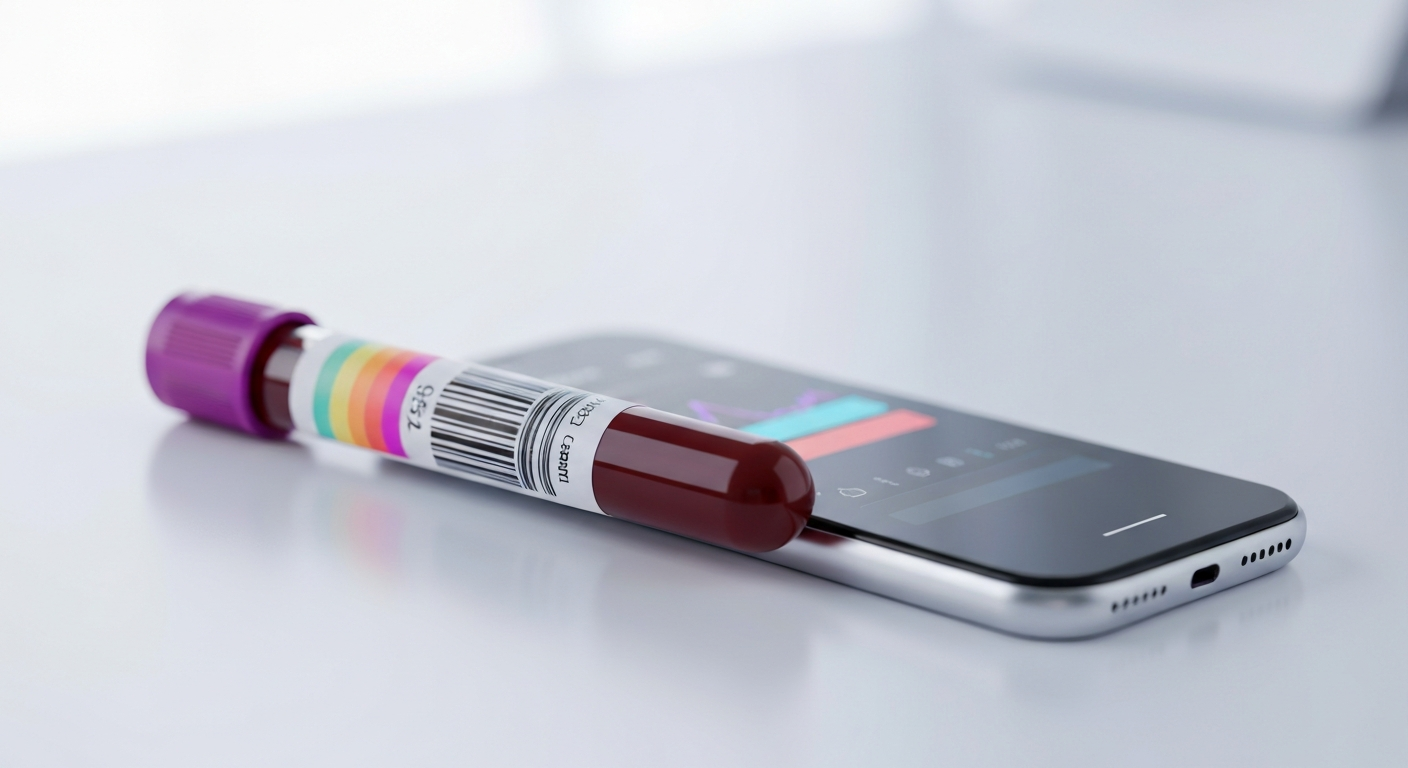
1. Get blood work first. Baseline labs give you an objective reference point. You cannot manage what you do not measure. Key markers to check before starting include: CBC, CMP, a full lipid panel, fasting glucose, HbA1c, testosterone (free and total), IGF-1, a complete thyroid panel, and hs-CRP (a marker of systemic inflammation).
2. Define your goal. Your specific goal determines which compounds, doses, and cycle lengths make sense. "I want to feel better" is not a protocol goal. "I want to accelerate the healing of my patellar tendonitis" or "I want to reduce my visceral fat" are goals you can build a protocol around.
3. Start with one compound. It is tempting to start with a massive stack to get faster results. Don't. Assess your tolerance to a single compound for 1-2 weeks. If you start four peptides at once and have an adverse reaction, you won't know which one caused it. Add compounds one at a time.
4. Source matters. The gray market is full of under-dosed or contaminated products. Look for suppliers that provide third-party Certificates of Analysis (COA) with HPLC purity ≥98%, endotoxin testing, and mass spectrometry confirmation. If they won't show you the lab results, don't buy the vial.
5. Track everything. Log your doses, injection sites, subjective feelings, and side effects daily. Relying on your memory is a guaranteed way to mess up a protocol. This is exactly why we built PepOS—to give you a dedicated command center for your data.
What You Will Need
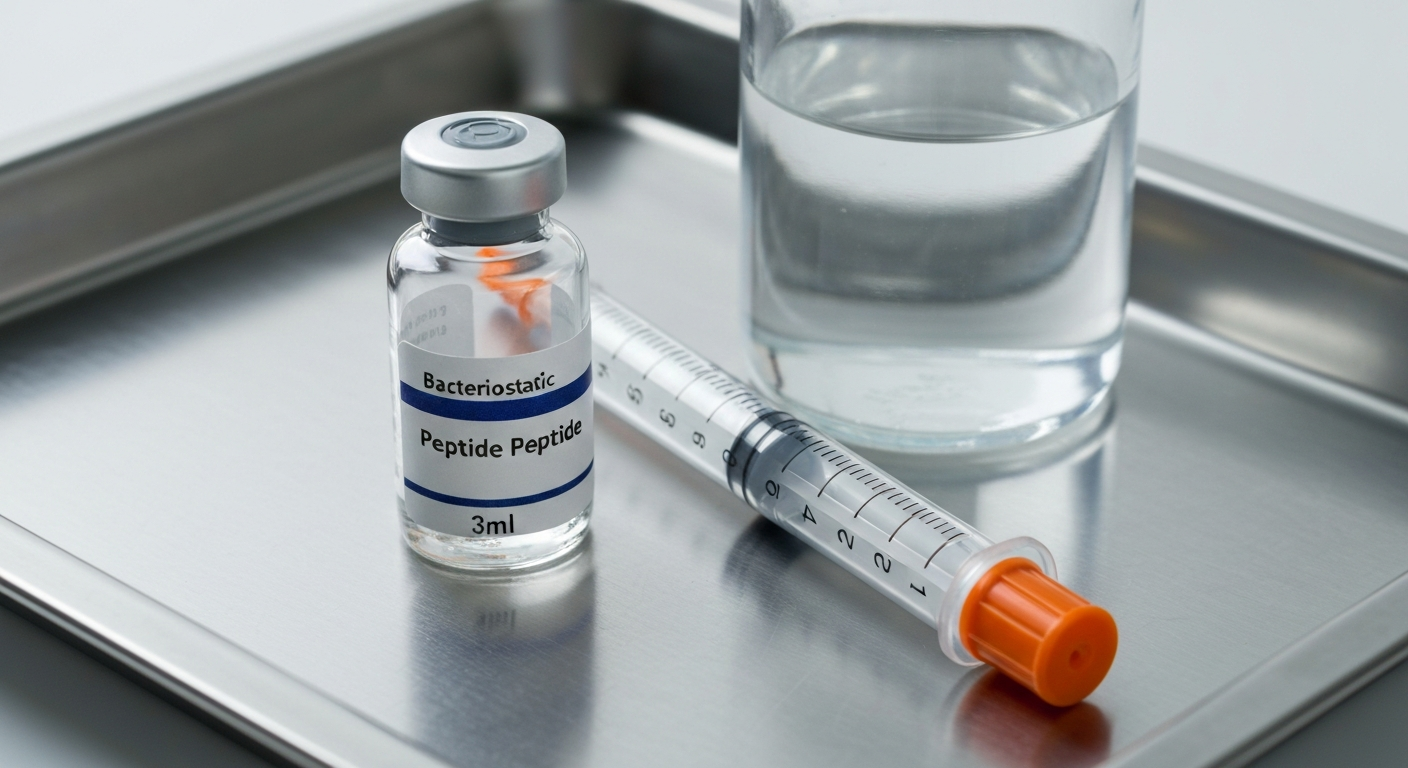
If you are running an injectable protocol, your setup should be clean, organized, and sterile. You will need:
- Bacteriostatic water (BAC water): The diluent used to reconstitute your lyophilized peptide powder. (Read our guide on BAC vs Sterile water).
- Insulin syringes: Typically 1mL, 29-31 gauge, 5/16" to 1/2" needle length. These are used for both drawing and injecting subcutaneously.
- Alcohol swabs: For cleaning the tops of your vials before every draw and cleaning your injection site.
- Sharps container: For safe disposal of used syringes. Never throw needles in the regular trash.
- Your peptide vials: Stored properly (usually refrigerated after reconstitution).
Next Steps
Once you have your supplies and your baseline labs, the next mechanical step is preparing your vial.
Read our Reconstitution Guide to learn exactly how to mix your peptides and do the math safely. Once you understand the math, you can use the built-in PepOS Dose Calculator to handle the conversions for you.
Ready to start tracking?
Generic health apps don't speak peptide. They can't calculate reconstitution math, and they certainly don't tell you how your resting heart rate changed after starting a BPC-157 cycle.
Download PepOS on the iOS App Store to track your protocols, monitor your vial inventory, and sync your actual recovery data with Apple Health.
Educational content only. Not medical advice. Consult a healthcare professional before starting any protocol.